
What Animal Shelters Always Need Year-Round
Some links in this post may be affiliate links. AACT may earn a small amount at no extra cost to you, and it goes back into helping animals in our community.
Walk into a shelter storage room in December and you will find squeaky toys stacked to the ceiling. Walk into the same room in February and the shelves that matter are empty.
That gap is the whole story of what animal shelters need. Donations follow holidays and cute photos. Shelter consumption follows laundry, cleaning, and paperwork, every single day of the year, at a rate most supporters never see.
Nothing below is a knock on anyone who has ever donated a toy. It is a map of where the same money and effort goes further, so your next donation lands on an empty shelf instead of a full one.
Why Do Shelters Run Out of the Boring Things First?
Because the boring things get used and thrown away. A cat bed can be washed and reused for a year. A gallon of disinfectant is gone by Thursday.
Three things drive shelter supply burn:
- Disease control. Kennels, bowls, and floors get cleaned constantly, because a single respiratory outbreak can shut down adoptions.
- Laundry volume. Bedding is washed daily, and towels are used for baths, cleanups, kittens, and intake exams.
- Paperwork. Every animal generates forms: intake, medical records, adoption contracts, licensing. Printer paper and ink are real budget lines.
None of that fundraises well. All of it decides whether animals get adopted.

The Cleaning and Sanitation Category
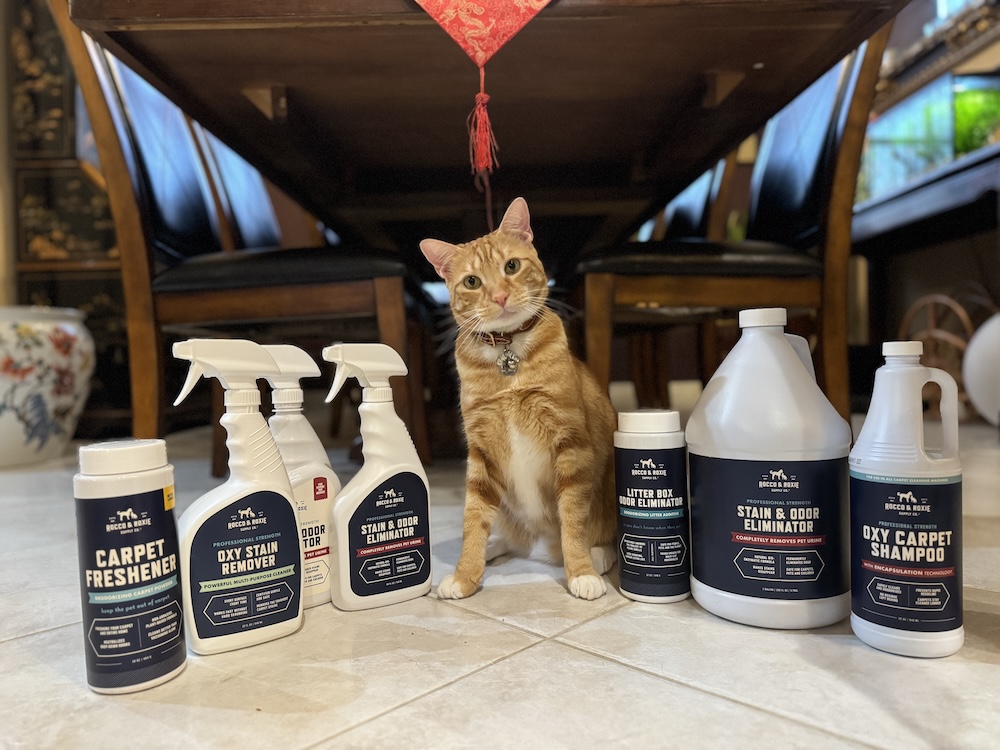
This is the category shelters ask for most often and receive least often. Always check with your shelter before buying cleaners, because many facilities use specific disinfectants approved for their protocols and cannot use donated substitutes.
What to look for:
- Paper towels in bulk, the single most requested consumable at many shelters
- Trash bags in kitchen and contractor sizes
- Unscented laundry detergent and bleach, in the types your shelter confirms it uses
- Disposable gloves in mixed sizes
- Mop heads, scrub brushes, and spray bottles
Ask a staff member which formulation they can accept. One phone call is the difference between a usable donation and a storage problem.
The Bedding and Comfort Category
Bedding is the second black hole. It gets soiled, chewed, and retired constantly, and shelters go through it faster than any wishlist suggests.
What to look for:
- Towels and washcloths, new or gently used, in any size
- Fleece blankets, which wash well and dry fast
- Flat sheets, which get cut down for kennel liners
- Simple washable dog and cat beds with removable covers
- Small crate pads that fit standard kennel sizes
Skip anything with beads, stuffing that shreds, or a cover that cannot go in a machine. If it cannot survive an industrial wash, it becomes trash within a week.
The Office and Operations Category
Nobody photographs a box of copy paper, which is why nobody donates one. Shelters spend real money here every month.
What to look for:
- Printer paper and printer ink or toner in the models your shelter uses
- File folders, labels, and permanent markers
- Batteries, especially AA and AAA for scales, scanners, and thermometers
- Gift cards to a hardware, warehouse, or farm supply store, which let staff buy the exact thing that ran out today
The Animal Care Category
Buy this category only after checking a current wishlist. Food and medical items are the most protocol-sensitive donations there are.
What to look for:
- Unopened food in the types the shelter feeds, with sealed packaging and a good date
- Stainless steel bowls, which sanitize better than plastic
- Standard collars, martingales, and six-foot leashes in common sizes
- Cat litter in the type the shelter uses, usually unscented and clumping
- Sturdy, washable enrichment items: rubber puzzle toys, snuffle mats, cardboard scratchers
Two cautions. Never donate opened food or medication, and never donate prescription items intended for a different animal. Both go straight in the trash.
What Helps for Free?
If money is tight, you are still one of the most useful people a shelter knows. Several of the highest-impact contributions cost nothing.
- Share adoptable animals. A repost that reaches one right person shortens a dog’s stay by weeks.
- Take better photos. Shelters are chronically short on decent pictures, and a volunteer with a phone and daylight changes listings dramatically.
- Foster. Fostering opens a kennel, reduces stress, and gives the shelter information about how an animal behaves in a home.
- Donate what you already own. Towels, sheets, and blankets sitting in your closet are on the list above.
- Give an hour. Laundry, dishes, dog walking, and data entry are all real shelter work.
- Run a supply drive. A classroom, team, or workplace drive for paper towels and towels can restock a shelter for a month.
How Do I Give So It Lands Where It Helps?
A short checklist before you buy anything:
- Find the shelter’s current wishlist, since most post one and update it seasonally.
- Call or email and ask what ran out this week.
- Confirm what they cannot accept, especially cleaners, food types, and used bedding.
- Check drop-off hours and where donations go, since many shelters have a separate receiving door.
- Ask about their tax receipt process if you want documentation.
Five minutes of asking converts a nice gesture into an exact fix.
Frequently Asked Questions
What do animal shelters need most?
Consumables, especially paper towels, cleaning supplies, laundry detergent, towels, and blankets. These get used and discarded daily, so they run out constantly, while toys and beds often arrive in surplus around the holidays. Gift cards rank high as well, because they cover whatever ran out that week.
Can I donate used blankets and towels?
Usually yes, if they are clean and machine washable, and many shelters specifically request them. Skip anything with loose stuffing, beads, or a cover that cannot be laundered. Call first, since a few facilities can only accept new items.
Is it better to donate money or supplies?
Both help, and money often stretches further because shelters buy in bulk at rates individuals cannot access and can direct funds at the exact gap. Supplies are ideal when you are matching a posted wishlist or running a group drive. Ask the shelter which they need more of right now.
What should I not donate to a shelter?
Opened food, expired items, prescription medication, homemade treats, and cleaners the facility has not approved for its protocols. Rawhide and small destructible toys are also refused by many shelters for safety reasons. When in doubt, ask before you buy.
Fill the Shelf That Is Empty
Shelters do not need more of what photographs well. They need the supplies that keep kennels clean, animals comfortable, and adoptions moving, week after week, with no season attached.
Pick one category above, call a no-kill shelter near you, and ask what ran out this week. Then bring exactly that, or organize a supply drive at your school with an AACT chapter.


Being a volunteer, I know how paper products are needed in the animal shelters. Every roll of paper towel, every cleaning tool is thankfully accepted. Better yet, contact your local shelter for the needs first.