The Shelter Pets Nobody Clicks On, and Why They Deserve a Look
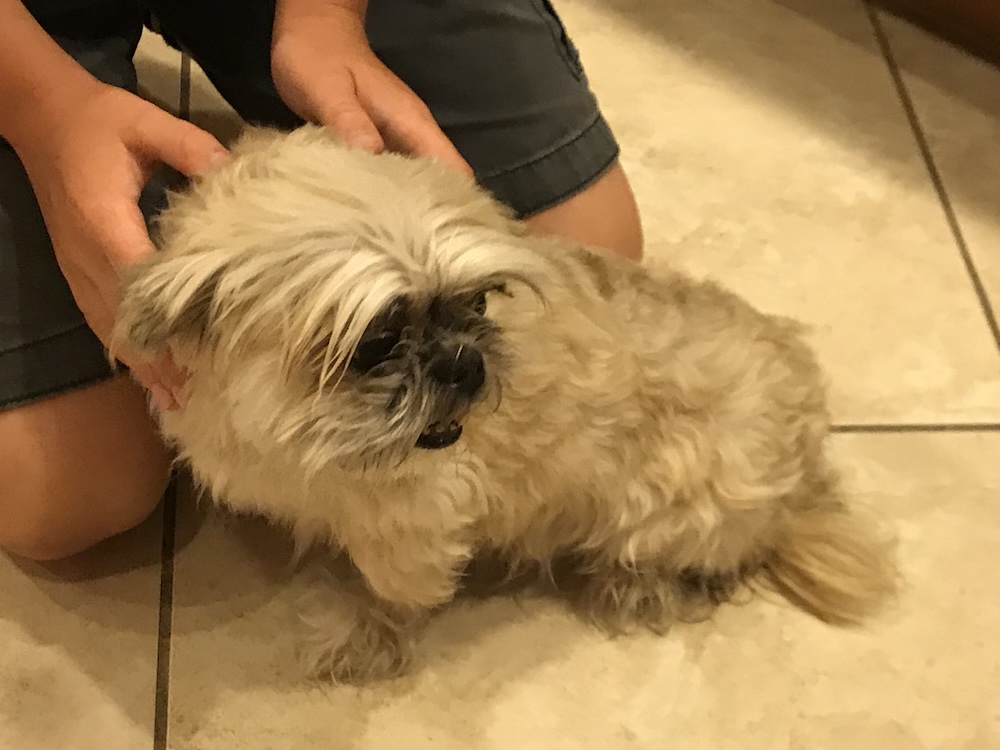
Walk through any shelter and you will notice something. Some kennels turn over every few days. Others hold the same dog you saw a month ago, and he is still standing at the front of the run, still hopeful.
The overlooked shelter pets are not a mystery once you know what to look for. They are large, they are adult, they carry a breed label somebody wrote on a card, or they come as a pair. Remember Me Thursday falls on September 24 this year, and it exists for exactly these animals. Here is what the data shows about who waits, and what shifts when you go in knowing.
How long is the wait, really
The median length of stay for dogs currently in United States shelters is 47 days, and 43 days for cats, according to Shelter Animals Count’s 2025 analysis of shelter capacity.
That median hides an enormous spread. Plenty of animals leave in under a week. Which means plenty of others are well past two months to produce that middle number.
For context on the whole system: 5.8 million dogs and cats entered United States shelters and rescues in 2025, down 2 percent from 2024, and 4.2 million were adopted, per Shelter Animals Count’s 2025 Annual Data Report. The dog adoption rate rose to 57 percent from 55 percent. Things are improving. They are not resolved.
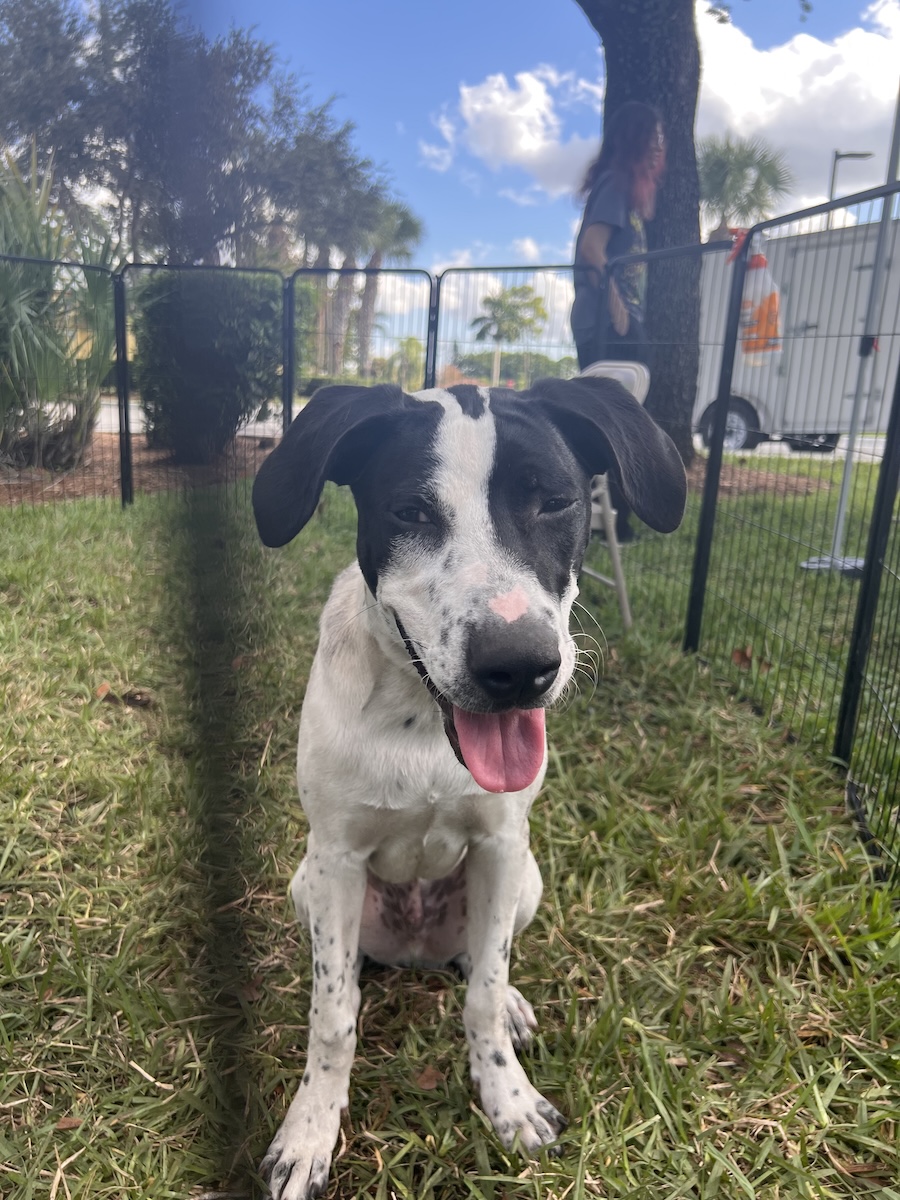
Large dogs are the clearest case
If there is one group the data points at without ambiguity, it is big dogs.
Shelter Animals Count’s 2025 capacity analysis describes large dogs as the slowest-moving population in shelters, stretching resources the most. Hill’s Pet Nutrition’s 2026 State of Shelter Pet Adoption Report, released in March 2026, focused its whole edition on large dogs and the disproportionate barriers they face.
The pressure is measurable elsewhere too. In the first half of 2025, national intake exceeded outcomes by 19,000 animals, and 73 percent of government shelters reported rising dog populations, according to Shelter Animals Count.
The reasons large dogs wait are mostly about the adopter’s situation rather than the dog. Apartment weight limits, breed restrictions in leases, worry about strength on a leash, and the assumption that a big dog needs a big yard. Several of those are solvable. Some large dogs are calmer indoors than a terrier.
The breed label matters more than the dog
This is the single best-documented adoption bias, and it is worth understanding precisely because it is not about the animals at all.
A 2016 study published in PLOS ONE by Gunter, Barber and Wynne found that dogs labeled “pit bull” waited more than three times as long in shelters as visually similar dogs given a different label. When one shelter stopped putting breed labels on kennel cards, adoptions of pit bull type dogs rose from 52 percent to 64 percent, and euthanasia fell 12 percent.
Read that again. The dogs did not change. The card did.
Dogs with behavioral notes on file also wait longer. A 2021 study in the journal Animals found that dogs flagged for difficulty in dog-to-dog introductions stayed about 15 days longer, and severe food guarders about 14 days longer. That was a single shelter with 975 dogs over roughly five years, so treat it as real but local.
What about black dogs and black cats?
This is where a lot of well-meaning shelter content gets it wrong, so here is the honest version.
Black dog syndrome mostly does not hold up. Christy Hoffman’s research on roughly 16,700 dogs across two Pacific Northwest shelters found black dogs were adopted in 6.5 to 9 days, comparable to or faster than shelter averages, and concluded coat color had little effect. An analysis of 30,046 dogs by Los Angeles Animal Services found slightly more black dogs adopted than non-black dogs. A study of New York no-kill shelters found no measurable effect of coat color on length of stay. Across these studies, age and breed group mattered far more than color, and bully breeds faced 2.5 to 3 times longer stays.
So if you have heard that black dogs are doomed, the better version of that concern is: dogs who look like bully breeds wait longer, and black dogs of any breed are fine.
Black cat bias appears to be real, but modest, and not about superstition. A 2020 study in Animals by Carini and colleagues, covering 7,983 cats at one Kentucky shelter, found black cats had the lowest adoption rate of the coat colors studied. The authors described the color effect as statistically weak but consequential for the individual cats. The same study found no Halloween effect.
A March 2026 study in Animals by Villarreal, Gebauer and Ha asked 1,004 United States participants to rate 40 real shelter photos. Black cats were rated less adoptable, and raters reported lower confidence reading their facial expressions. Notably, superstition measures did not correlate with the effect. The likely mechanism is that dark fur makes expressions harder to read in a photograph.
Which points at a practical fix rather than a cultural one. Better lighting in shelter photos, and meeting the cat in person rather than judging from a listing.
Seniors, and why the picture is more complicated
Older animals do wait. A 2018 study in Animals by Hawes, Kerrigan and Morris found older cats averaged 68 days in the shelter and older dogs 89 days.
The same study found something more useful. Intake condition predicted outcomes more strongly than age alone. Older cats arriving with treatable medical needs had a 98.3 percent adoption rate. The animals struggling were the ones arriving terminally ill, not the ones arriving simply old.
So “senior” is not the barrier people assume. A healthy nine-year-old dog is a very adoptable animal who happens to be in a kennel next to a puppy.
Bonded pairs
Cats adopted in pairs wait about 3 days longer than singles, and when a shelter formally requires the pair be adopted together, the delay rises to about 13 days, a 185 percent increase. That comes from a 2022 study in Animal Welfare by Engebrecht, Smith and Suchak, which also found paired cats showed genuinely more affiliative behavior.
Two cats are less than twice the work. They entertain each other, which solves the problem most single-cat households spend money trying to solve.
Finding the overlooked shelter pets on your next visit
- Ask which animals have been there longest. Staff know instantly. This one question reroutes your whole visit.
- Ignore the breed on the card. Visual breed identification is unreliable, and the label demonstrably changes how people see the same dog.
- Meet the animal, not the photo. Especially with black cats, where the photograph is measurably working against them.
- Ask what the behavior note means. “Not good with dogs” in a shelter often means one bad introduction in a stressful hallway.
- Consider the pair. If two cats are bonded, taking both is often easier than taking one.
- Ask about a foster-to-adopt trial if you are unsure. Many shelters offer it, and it costs you nothing but time.
Frequently Asked Questions
Which animals wait longest in shelters?
Large dogs are the clearest case in current data, followed by dogs carrying a pit bull type label and dogs with behavioral notes. Older animals wait longer too, though health at intake predicts their outcome more than age does.
Is black dog syndrome real?
The weight of the research says no. Multiple large studies across different regions found coat color had little or no effect on how long dogs waited, while breed group and age mattered a great deal. The concern is better aimed at bully breed labeling.
Are black cats harder to adopt out?
There is a real but modest effect in the research. The most recent study, published in March 2026, suggests it comes from dark fur making facial expressions harder to read in photos rather than from superstition. Meeting the cat in person addresses most of it.
What is Remember Me Thursday?
A global pet adoption awareness campaign founded in 2012 by Mike Arms of the Helen Woodward Animal Center, marked by candle lighting for shelter animals still waiting for homes. In 2026 it falls on September 24.
Ask for the one who has been there longest
You do not have to adopt to change something on Remember Me Thursday. Share a longest-resident post from a local no-kill shelter. Those posts reach the people photos of puppies never do.
If you are ready for more, ask a shelter near you which animals have waited past 60 days, and go meet one of them.